
Pathways Built to Last Through Daily Use
Walkway Construction in Woodway for properties needing safer connections between entryways, patios, and outdoor living areas
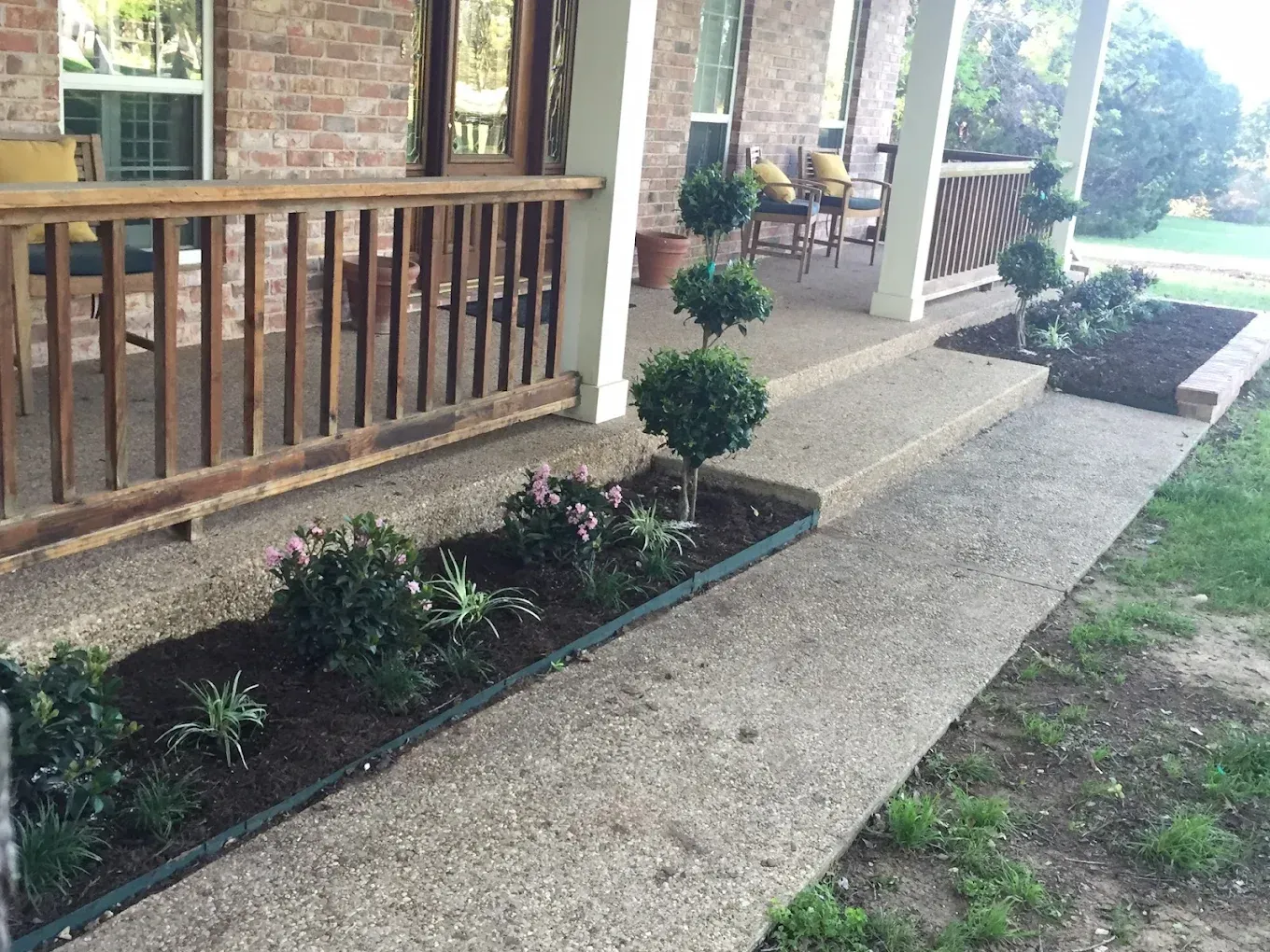
Landscaping & More constructs walkways in Woodway that connect entryways, patios, gardens, and outdoor living spaces with materials designed to withstand both regular foot traffic and the variable weather conditions common in Central Texas. These pathways solve accessibility problems while improving how people move through a property, and they're built to complement existing hardscape features rather than compete with them visually. The choice of material, texture, and layout determines both how long the walkway lasts and how well it handles seasonal temperature swings and occasional heavy rain.
The construction process involves grading the pathway route to manage drainage, installing a stable base that prevents shifting or settling, and then laying the chosen surface material in a pattern that matches the property's design style. Material options range from natural stone and pavers to stamped concrete, each offering different levels of slip resistance, heat absorption, and maintenance requirements. Proper installation addresses the clay-heavy soil conditions found in many Woodway properties, which can cause poorly constructed walkways to crack or become uneven within a few years.
Schedule a property evaluation to identify the best route and material selection for your walkway project.
What Proper Walkway Construction Requires
The walkway's longevity depends on base preparation and material selection suited to the specific use patterns and environmental exposure the path will face. A pathway connecting a driveway to a front door requires deeper base excavation and more substantial edging than a garden path with lighter foot traffic, and materials must be chosen based on how much direct sun exposure they'll receive, since some surfaces become uncomfortably hot during summer months.
After installation, you'll notice improved safety around your property, particularly in areas that previously became muddy or difficult to navigate during wet weather. The walkway provides a defined traffic pattern that protects surrounding landscape beds from compaction and wear, and properly installed edging keeps the pathway material contained without gradual spreading or separation. Surfaces remain level and stable because the base construction accounts for settling and drainage patterns specific to your property's grade.
The construction timeline varies depending on pathway length, material complexity, and whether significant grading or drainage work is needed before installation begins. Some projects incorporate lighting, decorative borders, or transitions between different hardscape areas, which require additional planning to maintain visual consistency across the landscape.
Questions Before Starting Your Walkway Project
Homeowners in Woodway often want to know what factors affect material choice and construction methods before committing to a walkway design.
What materials work best for walkways in Central Texas heat?
Natural stone and certain pavers stay cooler underfoot than dark-colored concrete, which absorbs and retains heat during summer months, making some materials more comfortable for barefoot use near pool areas or patios.
How does walkway construction prevent uneven settling over time?
The base preparation involves excavating to a consistent depth, adding compacted gravel layers that allow drainage while providing stability, and using edging that keeps the pathway material locked in place even as surrounding soil shifts with seasonal moisture changes.
When should walkway construction be scheduled during the year?
Construction can proceed year-round, though soil conditions are easier to excavate and compact during drier months, and curing times for certain materials perform more predictably when temperatures stay moderate.
What drainage considerations affect walkway placement?
Pathways need slight grading to shed water away from building foundations, and they should avoid low spots where water naturally collects, since standing water accelerates surface deterioration and creates slip hazards during freezing conditions.
How does walkway design integrate with existing landscape features?
The pathway's width, curve radius, and surface texture should complement nearby patios, driveways, and retaining walls, creating visual continuity rather than competing design elements that make the landscape feel disjointed.
Landscaping & More works with property owners to design walkways that balance aesthetic goals with practical requirements based on traffic patterns and environmental conditions. Request a detailed estimate to explore material options and construction approaches suited to your property layout.