
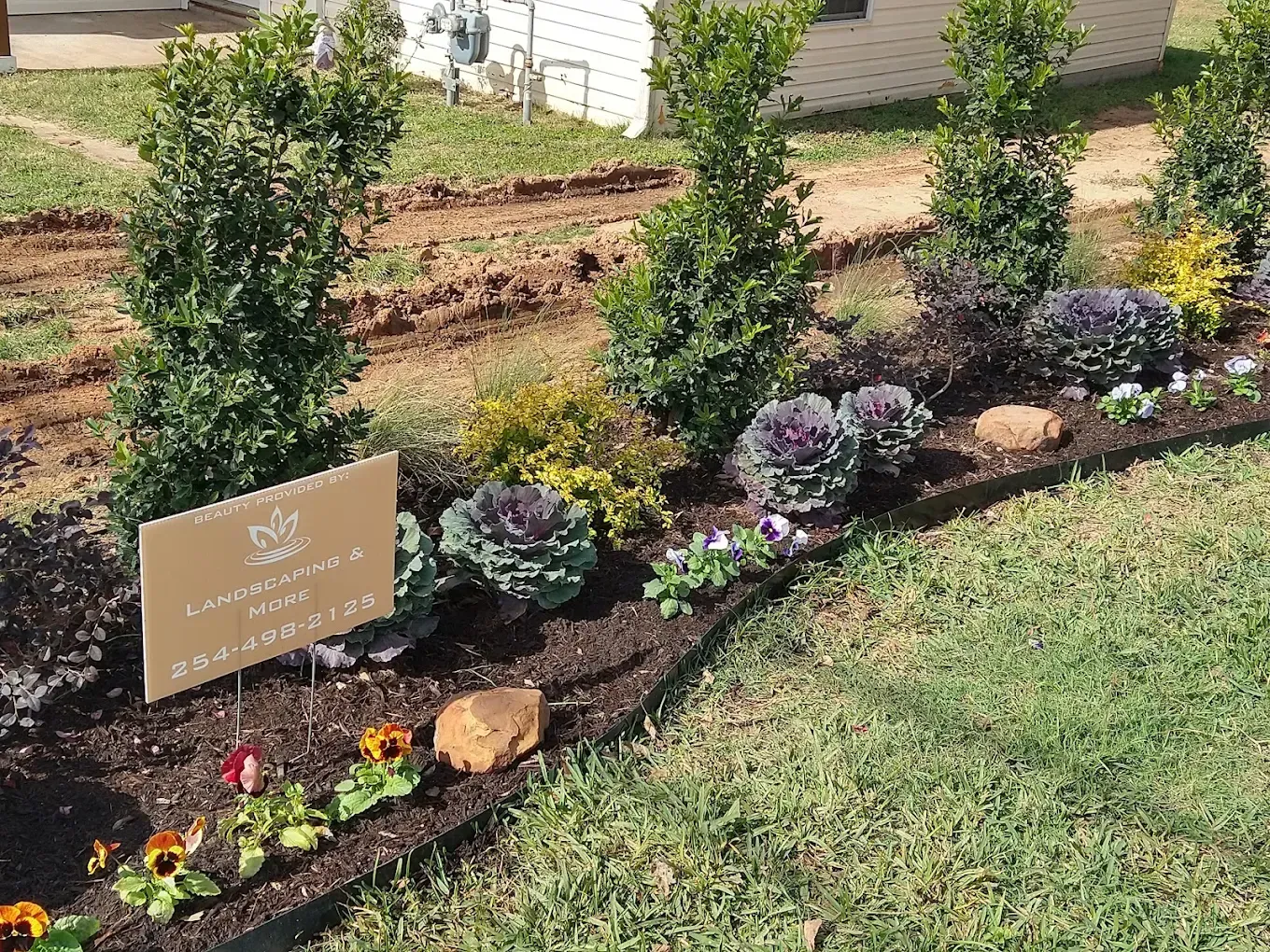
Plantings Selected for Long-Term Success
Tree and Shrub Planting in Woodway for properties needing privacy screening, shade coverage, or improved landscape structure
Strategic placement of trees and shrubs suited to local growing conditions determines whether new plantings thrive or struggle through their establishment period. Landscaping & More selects and installs trees and shrubs in Woodway based on each property's sun exposure, soil drainage, available space, and the homeowner's goals for privacy, shade, or visual appeal. Species selection matters significantly in Central Texas, where summer heat stress, occasional winter freezes, and clay soil conditions favor certain plants while making others difficult to maintain. Proper installation practices, including hole preparation, backfill composition, and initial watering protocols, affect root development and long-term plant health more than any maintenance performed after the first year.
The planting process involves evaluating existing soil conditions, amending planting holes when drainage or nutrient issues exist, and positioning plants at the correct depth to prevent root collar problems that lead to decline years later. Spacing decisions account for mature plant size rather than immediate visual impact, preventing overcrowding that forces premature removal or aggressive pruning. Mulching and watering practices during the establishment period support root growth into surrounding soil, and timing of installation relative to seasonal temperature patterns affects transplant stress.
Schedule a planting consultation to identify species appropriate for your property conditions and landscape objectives.
What Changes After Planting Completes
New plantings require consistent watering through their first growing season as root systems expand beyond the original root ball into native soil, with frequency decreasing as roots establish. Trees and shrubs planted in appropriate locations begin providing the intended benefits within a few years, whether that's shade coverage that reduces cooling costs, privacy screening that blocks sightlines to neighboring properties, or structural framework that gives the landscape visual balance.
You'll notice that properly installed plants show vigorous new growth during their first full growing season, with foliage color and density indicating successful root establishment. Plants positioned with adequate spacing develop natural growth habits without crowding or competition for light and water, and species suited to local conditions require less supplemental watering and pest management once established. Trees planted for shade begin reducing ground-level temperatures in the areas beneath their canopies, and shrubs used for screening fill in to create visual barriers that improve outdoor privacy.
The planting plan may incorporate multiple species with varying mature sizes, bloom times, and seasonal interest to create layered landscape compositions. Placement relative to structures, utilities, and sight lines affects both the plants' growth success and how well they serve their intended function in the landscape.
Answers to Frequent Service Questions
Property owners planning planting projects often have questions about species selection and establishment requirements before making plant choices.
What tree species perform well in Woodway's growing conditions?
Native and adapted species like live oak, cedar elm, and bur oak handle the heat, clay soil, and periodic drought conditions common in Central Texas, while non-native species may require more intensive watering and care to survive long-term.
How does planting season affect establishment success?
Fall planting allows root development during cooler months before summer heat stress arrives, while spring planting requires more intensive watering through the first summer to prevent transplant shock and foliage damage.
When do newly planted trees and shrubs begin providing shade or privacy?
Growth rates vary by species, but most trees planted at typical nursery sizes provide noticeable shade within three to five years, while shrubs used for screening typically fill in enough to block sightlines within two to three growing seasons.
What soil amendments improve planting success?
In heavy clay soils, adding compost to backfill improves drainage and root penetration, though amendments should be limited to the planting hole area to encourage roots to grow into surrounding native soil rather than staying confined to amended pockets.
How does placement affect long-term maintenance needs?
Trees planted with adequate clearance from structures, utilities, and paved surfaces develop without interfering with rooflines, foundations, or driveways, reducing future pruning needs and preventing damage from roots that lift sidewalks or crack foundations.
Landscaping & More helps homeowners choose trees and shrubs that match their property goals and growing conditions. Reach out to discuss species options and planting strategies for your landscape enhancement project.