
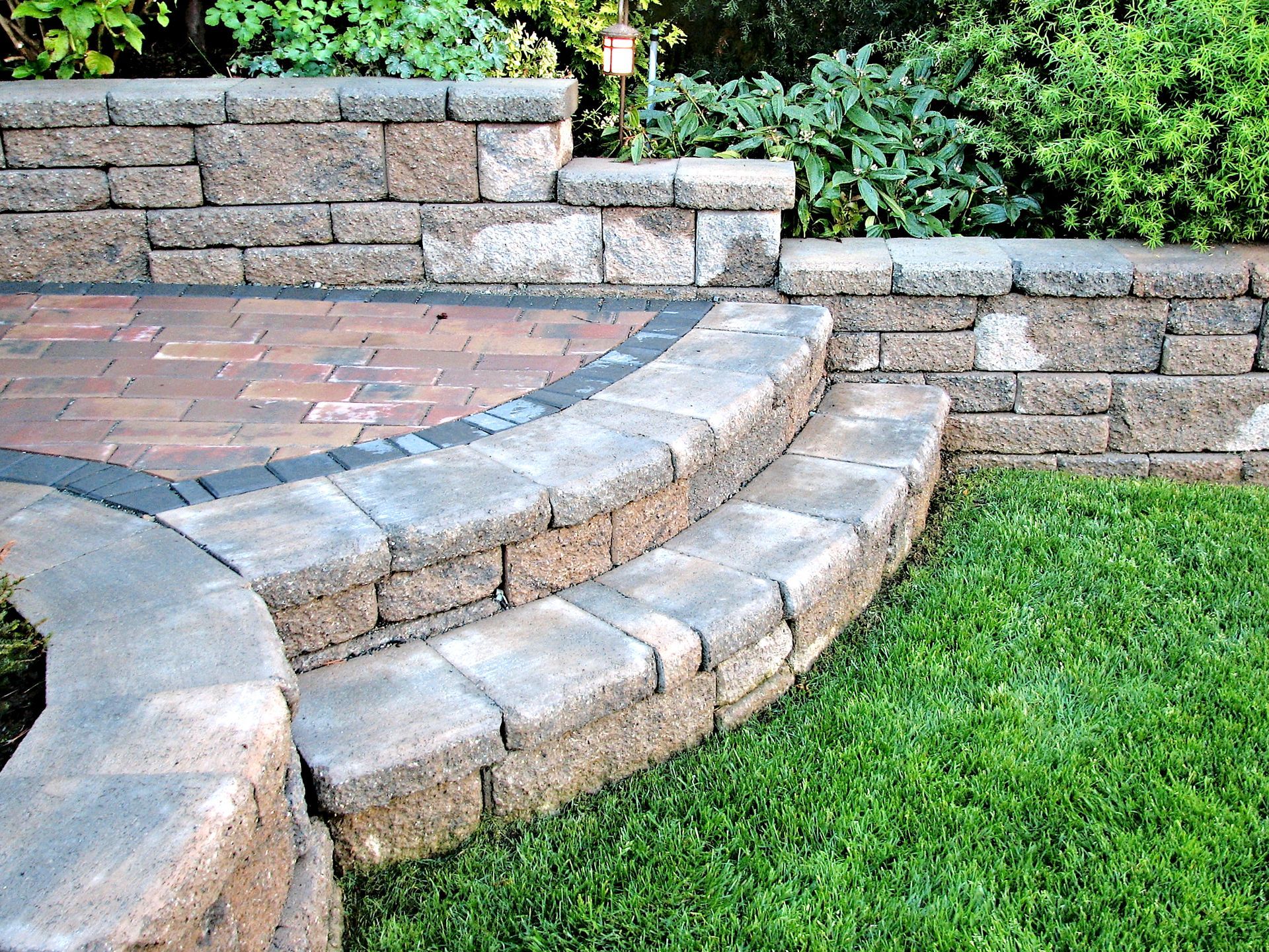
Slopes Managed With Structural Precision
Retaining Wall Installation in Woodway for properties with elevation changes that limit usable outdoor space
Properties on sloped lots lose functional yard space to grades too steep for safe use or effective landscaping, and that's where retaining walls create level terraces suitable for patios, planting beds, or lawn areas. Landscaping & More builds retaining walls in Woodway that manage soil loads and water pressure while fitting into the property's overall landscape design, using materials ranging from natural stone to engineered block systems. The wall's height, material, and drainage design must account for the soil type and slope angle specific to each site, since Central Texas clay expands when wet and contracts during dry periods, creating pressure that poorly designed walls can't withstand.
Installation begins with excavation and base preparation that extends below the frost line and provides a stable footing, followed by careful placement of wall units with proper backfill and drainage aggregate behind the structure. Drainage management prevents hydrostatic pressure from building up behind the wall, which is the primary cause of retaining wall failure in this region. The construction also addresses how water moves across the property during heavy rain, directing runoff away from foundations and preventing erosion in newly created level areas.
Arrange an on-site evaluation to assess slope conditions and discuss retaining wall design options for your property.
How Retaining Walls Address Slope Challenges
The engineering requirements change significantly based on wall height and the amount of soil being retained, with taller walls requiring deeper footings, geogrid reinforcement layers, and more robust drainage systems than shorter decorative walls. Material selection affects both structural capacity and visual integration with surrounding hardscape features, and certain block systems offer built-in drainage channels that improve long-term performance in expansive clay soils.
Once the wall is complete, you gain usable yard space where steep slopes previously made activities difficult or dangerous, and erosion that once carried soil downhill during storms stops at the wall line. The terraced areas created by retaining walls allow for more diverse landscape plantings, since different elevation levels offer varying sun exposure and drainage conditions. Properly constructed walls remain plumb and stable through seasonal soil movement because the drainage system prevents water from saturating the backfill material.
Some projects involve multiple retaining walls at different elevations to create tiered landscapes, while others combine walls with walkways and patios in coordinated hardscape systems. The visual style can range from formal stacked stone to rustic natural rock, depending on the property's architecture and landscape character.
Common Questions About This Service
Property owners considering retaining wall projects typically have questions about structural requirements and design flexibility before moving forward.
What determines whether a retaining wall needs engineering approval?
Wall height and the load being retained dictate structural requirements, with walls over a certain height threshold requiring engineered plans and permits to verify they can safely handle soil pressure and water loads over time.
How do retaining walls handle the clay soil conditions common in Woodway?
Expansive clay exerts significant lateral pressure during wet periods, so proper drainage aggregate behind the wall and weep holes through the structure allow water to escape rather than building pressure that could push the wall out of alignment.
When should retaining wall installation happen relative to other landscape work?
Walls typically get installed before final grading, planting, or hardscape features in the terraced areas they create, since heavy equipment access is needed during construction and disturbed soil behind the wall needs time to settle.
What material options balance durability with aesthetic goals?
Natural stone offers irregular texture and color variation that ages naturally, while manufactured block systems provide consistent dimensions and often include interlocking features that improve structural stability without visible mortar joints.
How does drainage design prevent long-term wall failure?
The backfill behind the wall consists of crushed stone rather than clay, allowing water to percolate down to drainage pipes at the wall's base, and weep holes at regular intervals let water exit before pressure accumulates.
Landscaping & More designs retaining walls based on site-specific slope conditions and integrates them into broader landscape renovation projects. Contact us to discuss elevation challenges on your property and explore solutions that create functional outdoor space.