
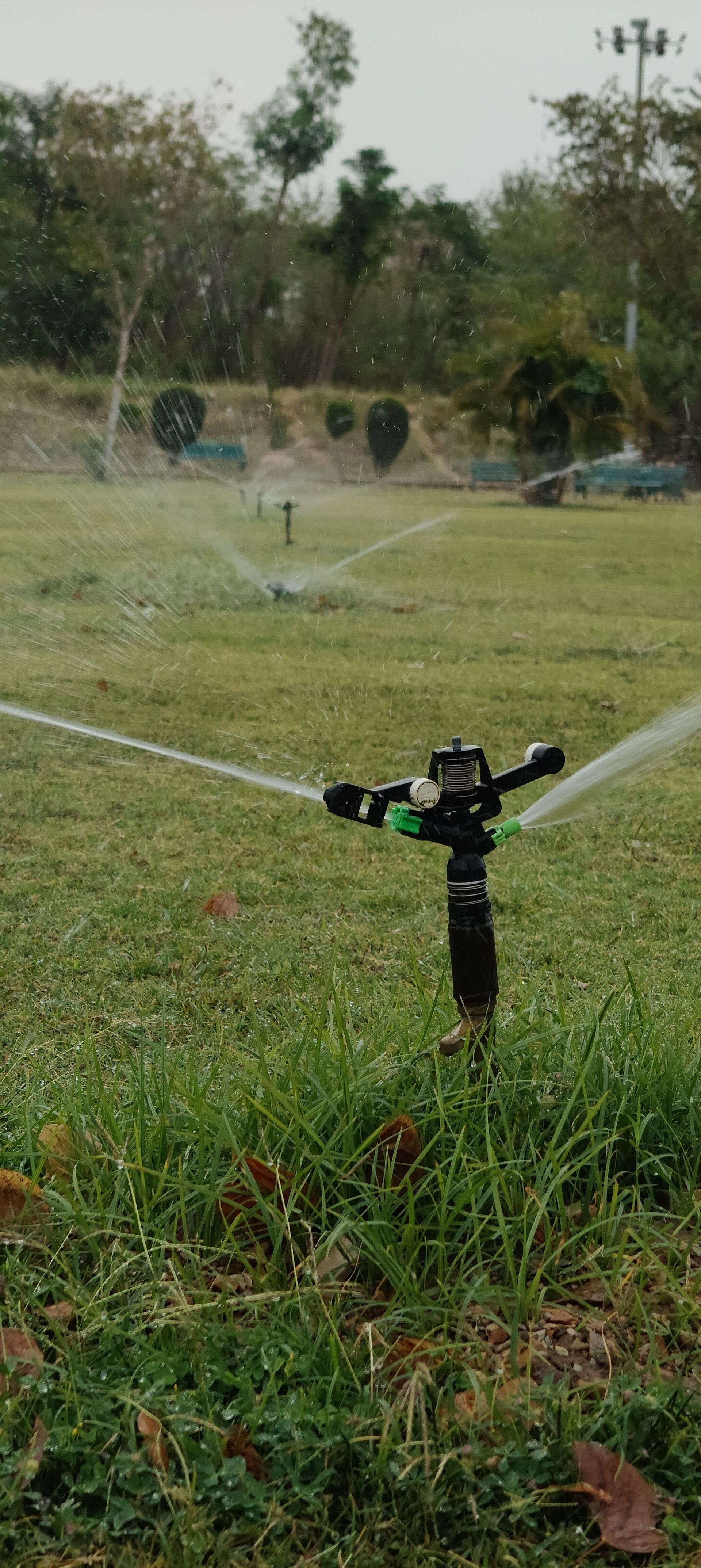
Watering Systems That Cover Every Zone
Irrigation Installation and Maintenance in Woodway for properties with uneven coverage, high water bills, or system failures
Central Texas weather patterns alternate between drought periods that stress lawns and heavy rain events that mask irrigation problems until dry conditions return. Landscaping & More installs and maintains irrigation systems in Woodway through a licensed Certified Irrigator, designing efficient layouts that support healthy lawns, plants, and trees without overwatering or leaving dry zones. Systems are zoned based on sun exposure and plant water needs, preventing the common problem of turf areas and flower beds sharing the same watering schedule despite requiring different moisture levels.
Installation includes mapping coverage areas to ensure spray patterns overlap without creating runoff on slopes, selecting nozzle types matched to soil absorption rates, and programming controllers for seasonal adjustments. Maintenance work troubleshoots leaks, broken sprinkler heads, and valve malfunctions that waste water and create uneven coverage, along with adjusting spray angles that drift as heads settle or shift over time.
Schedule an irrigation evaluation and system inspection to identify coverage gaps and component failures affecting landscape health.
What System Zoning Actually Accomplishes
Zoning separates irrigation into circuits based on plant type, sun exposure, and slope, allowing turf areas in full sun to receive longer watering durations than shaded flower beds or established trees with deeper root systems. Each zone is equipped with appropriate nozzle types—rotary heads for large lawn areas that apply water slowly to prevent runoff, spray heads for flower beds requiring shorter run times, and drip lines for trees and shrubs needing infrequent deep watering. Controller programming adjusts run times seasonally to account for temperature changes and rainfall, reducing water use during cooler months when evaporation rates drop.
After installation or repair, you'll notice grass that greens uniformly without brown patches in corners or along fence lines, flower beds that don't develop standing water or dry edges, and lower water bills from eliminated leaks and efficient scheduling. The system runs on a predictable schedule rather than requiring manual intervention, and plants show consistent growth patterns instead of alternating between drought stress and overwatering symptoms like yellow leaves or fungal issues.
System upgrades can include rain sensors that skip scheduled cycles during wet weather, pressure regulators that prevent misting and overspray, and backflow preventers required by local codes. Component quality affects long-term reliability, with commercial-grade valves and heads outlasting residential versions in systems that run year-round.
Answers to Irrigation System Questions
Homeowners frequently ask about water efficiency, system lifespan, and how to identify problems before they cause landscape damage.
How does proper zoning reduce water waste?
Zoning prevents overwatering shaded areas that require less moisture than full-sun turf, stops runoff on slopes where water is applied faster than soil can absorb, and eliminates situations where drip irrigation for trees runs as long as spray heads for grass, wasting water on established plantings that need infrequent deep watering.
What are common signs of irrigation problems?
Brown patches that don't respond to increased watering often indicate broken lines or clogged nozzles, while soggy areas near valve boxes suggest leaks that run continuously, and uneven grass color across zones points to coverage gaps or misaligned spray heads.
When should irrigation maintenance be performed?
Spring startup inspections catch winter damage before growing season begins, mid-summer checks adjust coverage as plants mature and change water demands, and fall winterization prevents freeze damage in exposed components during occasional hard freezes Woodway experiences.
What does a licensed Certified Irrigator provide?
Certification demonstrates training in hydraulic design, water conservation methods, and code compliance, ensuring systems are installed with proper pressure regulation, backflow prevention, and zoning that meets efficiency standards while supporting plant health.
How long do irrigation components typically last?
Controllers function for ten to fifteen years before circuit boards fail, valve solenoids last five to seven years in systems that run daily, and spray heads require replacement every three to five years as internal seals wear and cause leaks or pattern distortion.
Landscaping & More designs irrigation solutions that accommodate Central Texas weather demands while reducing water waste. Call (254) 498-2125 to arrange a system evaluation and discuss coverage improvements for your property.