
Tree Care That Prioritizes Long-Term Health
Tree Removal and Trimming in Woodway for maintaining tree health and addressing hazardous conditions near homes and outdoor living areas
Dead branches, storm damage, and structural issues in mature trees create hazards around homes and outdoor spaces, while improper pruning techniques cause long-term damage that shortens tree lifespan. Landscaping & More provides tree trimming and removal services in Woodway with an emphasis on preservation through responsible maintenance practices whenever tree health and safety conditions allow. The decision to trim or remove depends on evaluating the tree's structural integrity, disease presence, proximity to structures, and whether corrective pruning can address problems without compromising the tree's stability. Proper trimming follows pruning standards that promote healthy growth patterns rather than creating weak branch attachments or entry points for decay.
Trimming work involves removing dead or damaged wood, reducing weight on overextended limbs, and thinning canopies to improve air circulation and reduce wind resistance during storms common in Central Texas. Cuts are made at specific locations relative to branch collars and growth nodes to allow proper wound closure, and the amount of live foliage removed in a single session is limited to prevent stress that weakens the tree. Removal becomes necessary when trees are dead, dying, structurally unsound, or positioned where their roots or canopy create unavoidable conflicts with structures or utilities.
Arrange a tree assessment to evaluate health conditions and identify appropriate maintenance or removal needs.
What Responsible Tree Maintenance Involves
Effective trimming requires understanding how trees respond to pruning cuts, with decisions about which branches to remove based on growth patterns, weight distribution, and structural weak points that could fail during high winds or ice events. Timing of pruning work affects disease transmission risk and the tree's ability to close wounds, with certain seasons preferable for specific tree species. Equipment selection and cutting techniques prevent bark tearing and unnecessary damage to surrounding branches that aren't being removed.
After trimming, trees develop stronger structure as energy redirects to remaining branches, and the canopy becomes more wind-resistant because weight is balanced and dead wood no longer threatens to break loose during storms. You'll notice improved clearance around structures, driveways, and walkways where branches previously created obstruction or contact risks. Trees that receive appropriate maintenance develop better long-term health compared to neglected specimens or those subjected to topping or other improper pruning methods that create multiple weak stems and decay entry points.
Removal projects address not only taking down the tree but also grinding stumps below grade to allow replanting or turf establishment in that location. Debris removal and site cleanup are part of the service, leaving the property ready for any planned landscape modifications or simply restored to usable condition.
Questions Before Starting Your Project
Homeowners evaluating tree work often need clarification about preservation options and service scope before scheduling maintenance or removal.
What signs indicate a tree needs trimming versus removal?
Dead or broken branches signal trimming needs, while extensive trunk decay, severe lean, major root damage, or death of most of the canopy typically mean removal is the safer option to prevent failure that could damage property or injure people.
How does proper pruning differ from topping or excessive thinning?
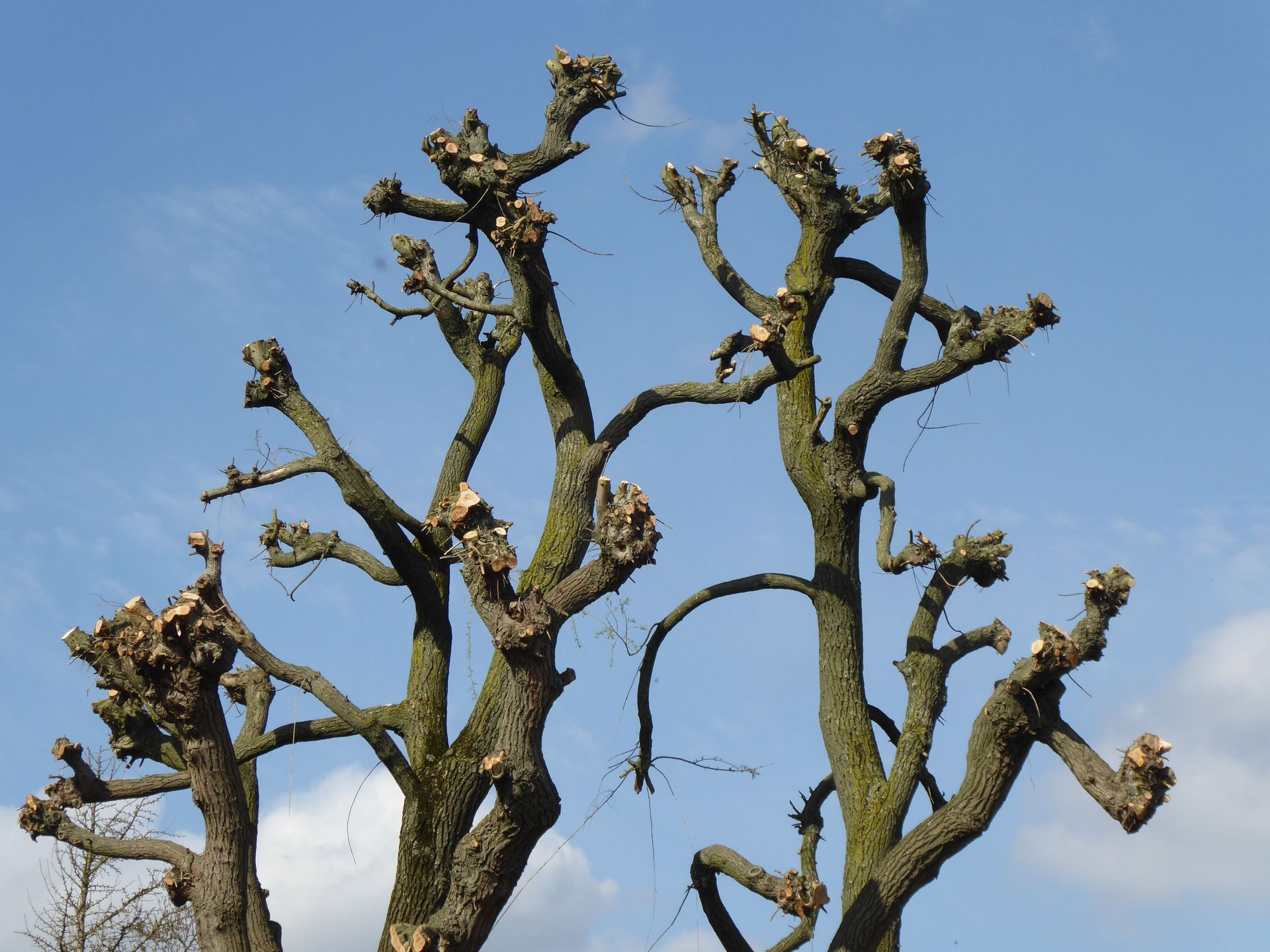
Correct pruning removes specific branches at their attachment points to improve structure, while topping indiscriminately cuts branches back to stubs, creating weak regrowth and decay problems that shorten the tree's life and increase future hazard risk.
When should tree trimming be scheduled during the year?
Late winter before spring growth begins is often ideal for most species, though dead wood removal and hazard mitigation can happen any time, and certain trees benefit from summer pruning to limit disease transmission during dormant seasons.
What happens to the wood and debris after removal?
Material is typically chipped for mulch, hauled away for disposal, or in some cases can be cut into firewood lengths if the homeowner wants to keep it, with stump grinding reducing the remaining trunk below ground level to eliminate tripping hazards and allow site restoration.
How does tree location near structures affect removal complexity?
Trees with branches overhanging roofs, growing near power lines, or surrounded by fencing and landscaping require more controlled rigging and piece-by-piece dismantling compared to open-area trees that can be felled in single sections, affecting both safety requirements and service timing.
Landscaping & More evaluates each tree's condition and site context to recommend maintenance approaches that preserve healthy trees and safely remove those that pose hazards. Set up a consultation to discuss specific trees on your property and determine appropriate care or removal plans.