Outdoor Structures That Handle Constant Exposure
Hardscaping and Masonry in Woodway for properties needing durable outdoor features that complement existing landscape designs
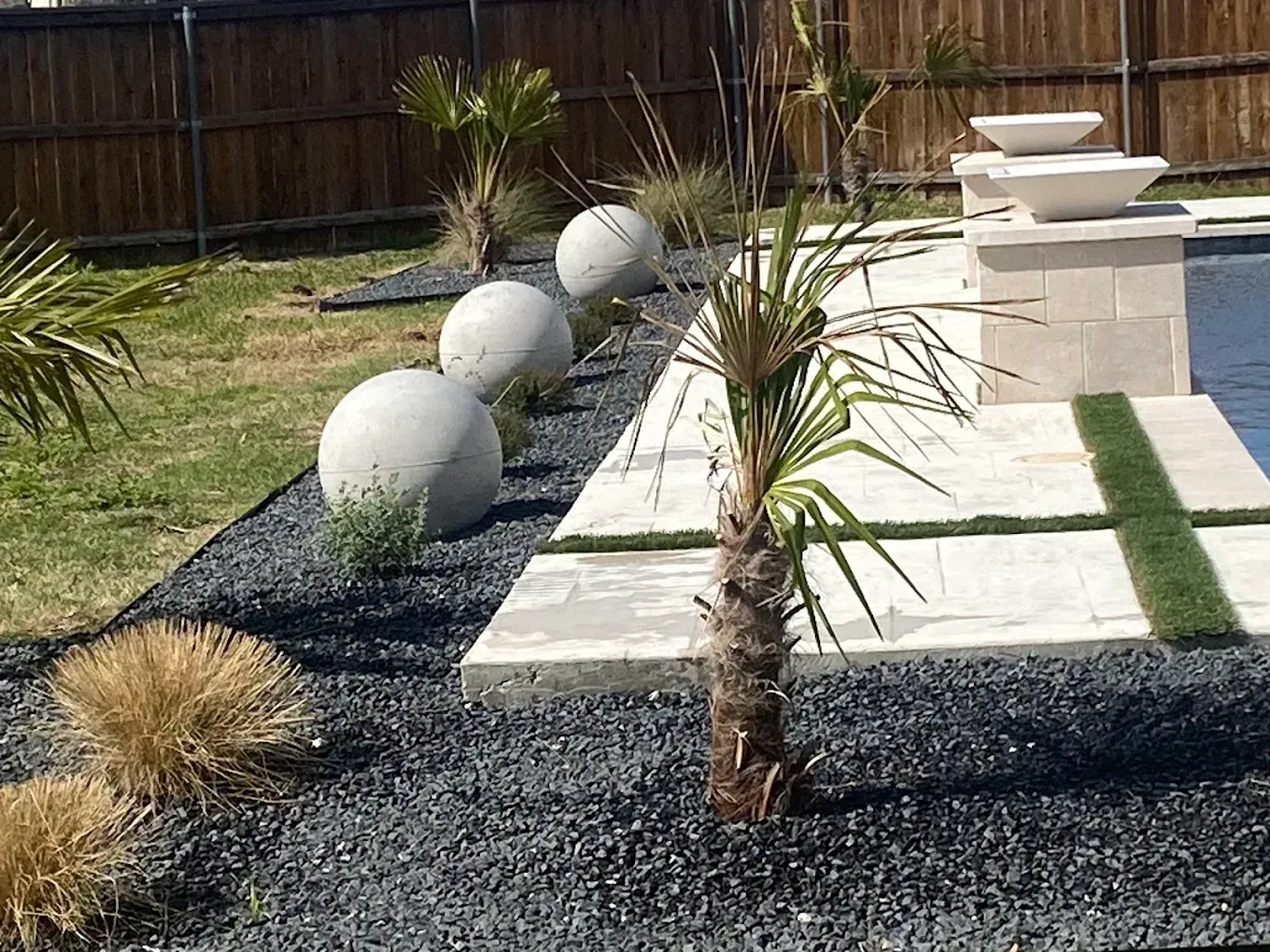
Properly installed stone, block, and masonry elements withstand years of sun exposure, temperature cycling, and moisture contact without the cracking or deterioration that happens when materials aren't suited to outdoor conditions. Landscaping & More incorporates hardscaping features into Woodway properties through custom craftsmanship that matches visual details to the home's architecture and surrounding landscape. These installations include decorative columns, fire pit surrounds, outdoor kitchen components, and structural elements that tie together patios, walkways, and retaining walls into cohesive outdoor spaces. Material selection depends on the feature's function, exposure level, and how it interacts with other hardscape surfaces already present on the property.
The installation process varies by feature but consistently addresses foundation stability, drainage paths, and material compatibility to prevent premature wear or failure. Stone and masonry work requires proper mortar selection for outdoor use, joint tooling that sheds water rather than channeling it into cracks, and base preparation that prevents settling which causes misalignment and structural stress. The heat and UV exposure common in Central Texas affects how materials age, with some stone types maintaining color better than others over extended sun exposure.
Request a detailed estimate to explore how hardscape features can be integrated into your landscape design.
What Proper Hardscaping Requires
Quality hardscape installation depends on matching construction methods to the feature's intended use and environmental exposure, with structural elements requiring deeper footings and reinforcement compared to decorative features. Stone selection considers not only appearance but also porosity, surface texture, and how the material reacts to freeze-thaw cycles, which occur occasionally in this region during winter cold snaps. Mortar joints must be finished to shed water, and materials need adequate drainage beneath them to prevent moisture accumulation that leads to efflorescence or surface deterioration.
After installation completes, hardscape features provide visual anchors that define outdoor spaces and create transitions between different landscape areas. The structures maintain their appearance through seasonal weather changes because proper construction accounts for thermal expansion, moisture movement, and the mechanical stresses that come with regular use. Features like outdoor fireplaces, seat walls, and decorative columns remain stable and plumb because their foundations extend below the depth where soil movement from moisture changes causes shifting.
Hardscaping projects often coordinate with other landscape work, particularly when features connect to patios, walkways, or pool decks where material consistency and elevation transitions matter. Some installations involve lighting integration, built-in seating, or planters that combine masonry structure with landscape planting areas.
What Property Owners Usually Ask
Questions about material durability and design flexibility come up frequently during hardscape project planning.
What masonry materials hold up best in outdoor environments?
Natural stone, manufactured stone veneer, and concrete block products all perform well when properly installed, but natural stone typically ages more gracefully with less color fading, while manufactured products offer more consistent dimensions and often lower material costs.
How do hardscape features integrate with existing patios and walkways?
Material matching involves selecting stone or masonry that complements the color, texture, and scale of surrounding hardscape surfaces, and construction details at connection points ensure smooth elevation transitions and consistent joint patterns.
When should hardscape features be added during landscape renovations?
Structural elements like columns or fire pits typically get installed after major grading and drainage work but before final landscape planting, since heavy equipment access is needed and surrounding areas may require regrading after construction.
What factors affect how long masonry features last?
Proper base preparation, appropriate mortar for outdoor use, and drainage design that prevents water from pooling around the structure determine longevity, with well-constructed features in Woodway routinely lasting decades without significant repair needs.
How does design style affect construction requirements?
Formal, geometric features require precise measurements and level surfaces, while rustic designs using irregular stone allow more flexibility in layout but still need solid foundations and proper drainage to prevent shifting or settling over time.
Landscaping & More works with homeowners to incorporate hardscape features that add functionality and visual interest to outdoor spaces. Schedule a property consultation to review design ideas and discuss construction approaches suited to your landscape goals.